

Aging is a natural process, but skincare science offers ways to slow visible signs of aging. Choosing the right ingredients is key to maintaining healthy, youthful skin. With so many products on the market, it can be overwhelming to know which ingredients truly work. Understanding the top anti-aging components helps you make informed decisions and create an effective skincare routine.
Retinoids: The Gold Standard
Retinoids, derived from vitamin A, are among the most researched anti-aging ingredients. They promote cell turnover and stimulate collagen production. Regular use can reduce fine lines, wrinkles, and hyperpigmentation. Retinoids come in over-the-counter forms like retinol or prescription-strength options. Consistency is crucial, and starting slowly helps prevent irritation.
Hyaluronic Acid: Hydration and Plumpness
Hyaluronic acid is a naturally occurring molecule that attracts and retains water in the skin. It provides deep hydration and helps maintain a plump, youthful appearance. Unlike some active ingredients, hyaluronic acid is gentle and suitable for all skin types. It can be combined with moisturizers and serums to maximize hydration and improve skin elasticity.
Vitamin C: Brightening and Protection
Vitamin C is a powerful antioxidant that protects the skin from free radical damage caused by UV rays and pollution. It helps brighten the complexion, reduces dark spots, and stimulates collagen production. Regular application can improve skin texture and promote an even tone. Pairing vitamin C with sunscreen ensures optimal protection and results.
Peptides: Supporting Collagen and Firmness
Peptides are short chains of amino acids that signal skin cells to produce more collagen and elastin. These proteins are essential for maintaining skin structure and firmness. Peptides help reduce the appearance of wrinkles and improve overall skin texture. Incorporating peptide-rich serums or creams can provide long-term benefits when used consistently.
Niacinamide: Balancing and Strengthening Skin
Niacinamide, a form of vitamin B3, offers multiple anti-aging benefits. It strengthens the skin barrier, reduces redness, and improves elasticity. Niacinamide also regulates oil production and helps minimize pore appearance. It is compatible with most other active ingredients, making it a versatile addition to any skincare routine.
Alpha Hydroxy Acids: Exfoliating for Renewal
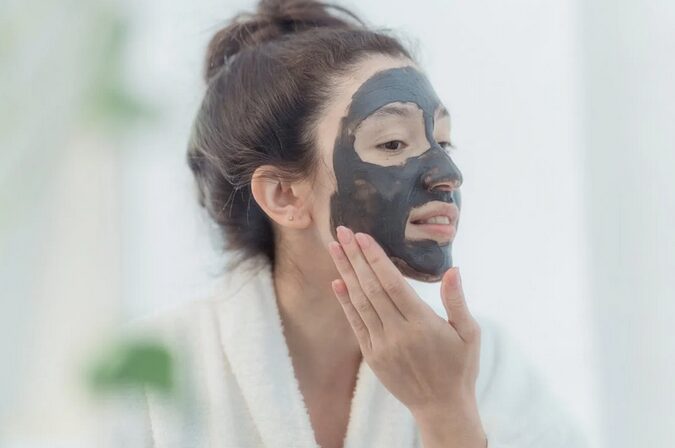
Alpha hydroxy acids (AHAs) are naturally derived acids that exfoliate the skin’s surface. They remove dead skin cells, promote cell turnover, and encourage a smoother, brighter complexion. AHAs can improve fine lines, pigmentation, and texture. Using AHAs gradually and pairing them with sunscreen is important, as exfoliated skin can be more sensitive to UV exposure.
Ceramides: Strengthening the Skin Barrier
Ceramides are lipid molecules naturally found in the skin that maintain its protective barrier. With age, ceramide levels decrease, leading to dryness and sensitivity. Topical ceramides help restore barrier function, lock in moisture, and improve overall skin health. They are especially effective in combination with hydrating ingredients like hyaluronic acid.
Sunscreen: The Ultimate Anti-Aging Ingredient
While not a typical “ingredient” in the sense of a serum or cream, sunscreen is the most important component of any anti-aging regimen. UV radiation is the leading cause of premature aging, including wrinkles, fine lines, and sunspots. Daily use of broad-spectrum sunscreen protects the skin, enhances the effectiveness of other anti-aging ingredients, and ensures long-term skin health.
Combining Ingredients for Best Results
For optimal results, combine complementary ingredients. Vitamin C in the morning protects against environmental damage, while retinoids at night stimulate renewal. Hydrating components like hyaluronic acid and ceramides maintain moisture and support barrier function. Niacinamide and peptides improve resilience and firmness. Consistency, patience, and proper layering are key to achieving noticeable improvements.
Understanding top anti-aging skincare ingredients empowers you to make informed choices. Retinoids, hyaluronic acid, vitamin C, peptides, niacinamide, AHAs, ceramides, and sunscreen each play a unique role in maintaining youthful, healthy skin. Combining these ingredients thoughtfully can improve texture, tone, and elasticity over time. Prioritizing effective anti-aging ingredients ensures your skincare routine delivers both protection and visible results.